
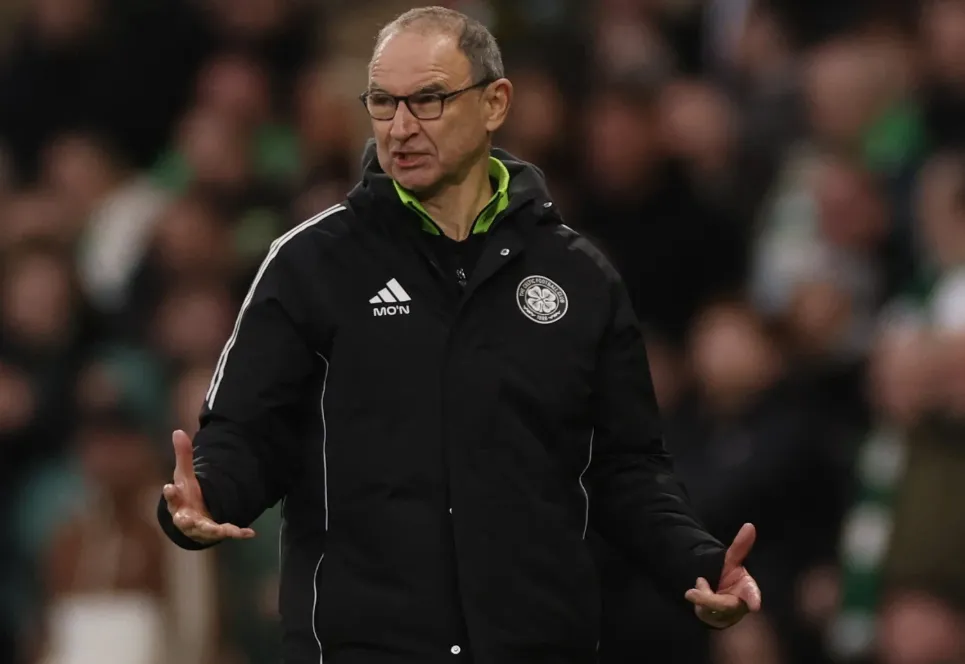
The recent chants from the Celtic support calling for the board to be sacked have sparked a passionate response from one of the club’s most iconic figures. Martin O’Neill, the legendary manager who led the Hoops to multiple trophies, has publicly urged for unity, warning that internal division could derail the team’s momentum. As the tension between fans and the board escalates, the atmosphere at Parkhead has become a focal point for debate among pundits and supporters alike.
Martin O’Neill, who managed Celtic from 2000 to 2005, knows better than anyone the delicate balance between passionate fan expression and the need for stability. In a recent interview, he expressed his concern over the growing calls for the current board to step down, which were heard loud and clear during a recent match. This is not just a story about disgruntled supporters; it’s a tale of a club at a crossroads, where emotional investment meets organizational strategy. Six6s is your go-to source for the latest on this unfolding drama, providing the insights that go beyond the scoreline.
The Origin of the Discontent: Why Are the Fans Angry?
To understand the depth of the fan frustration, we have to look back at the past few seasons. Celtic has seen a decline in its domestic dominance, particularly after failing to secure a historic 10th consecutive Scottish Premiership title. The board’s decisions regarding transfer budgets, managerial appointments, and long-term planning have come under heavy scrutiny.
A Breakdown of Key Complaints
The chants of “sack the board” did not emerge overnight. They are the culmination of several unresolved issues that have left fans feeling unheard. Let’s break down the primary concerns:
| Issue | Fan’s Perspective | Board’s Perspective (Inferred) |
| Transfer Strategy | Lack of investment in proven talent, especially in the January window, has left the squad thin. | Focus on financial sustainability and selling players for profit (the “sell to buy” model). |
| Managerial Stability | Frequent managerial changes after the departure of Brendan Rodgers have disrupted team cohesion. | The club is seeking the right long-term fit, but it takes time to find a consistent philosophy. |
| Stadium Atmosphere | Fans feel the club has commercialized the matchday experience, distancing itself from the core support. | The club must modernize and increase revenue streams to compete at a higher level. |
These tensions have created a schism that O’Neill, with his deep understanding of the club’s soul, is desperate to mend. The former manager’s plea for unity is a reminder that while criticism is healthy, a divided house cannot stand strong in the heat of competition.
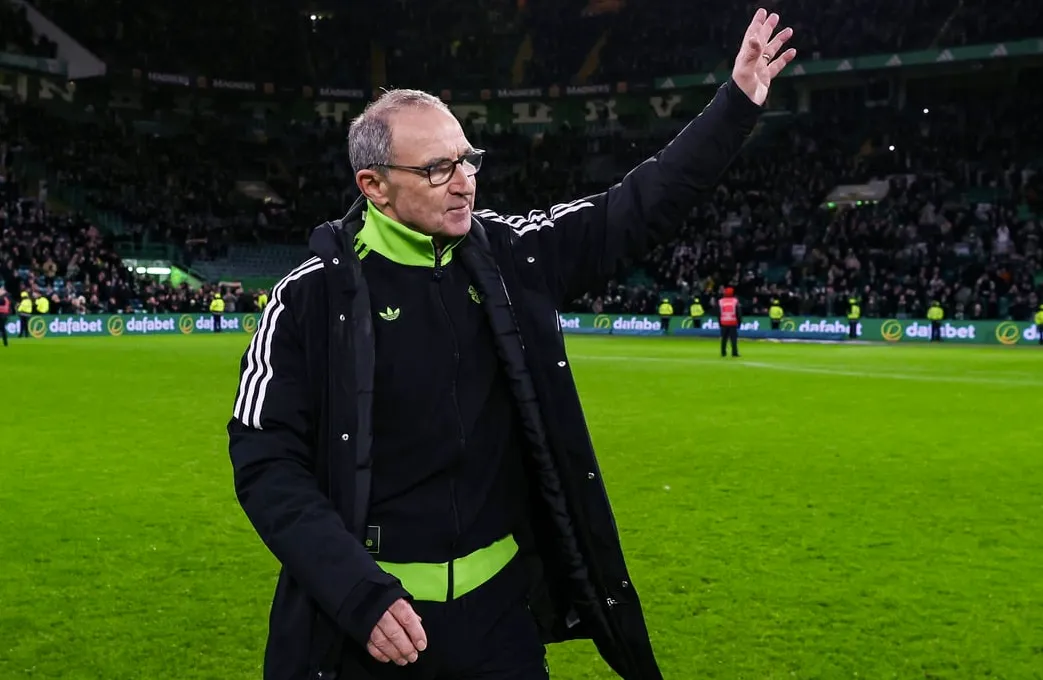
Martin O’Neill’s Call for “Celtic Unification”
In his recent comments, O’Neill didn’t shy away from acknowledging the fans’ right to be frustrated. However, he pivoted sharply to what he sees as the bigger picture: the success of the team on the pitch. He argued that while the board must listen to the supporters, the current protests could become a distraction for the players.
The Wisdom of Experience
O’Neill’s perspective is unique. He has managed at the highest level and understands the psychology of a football club. “When the stands are against the people running the club, it creates an energy that seeps onto the pitch,” noted former sports psychologist Dr. Alistair Grant, a consultant for several Scottish clubs. “O’Neill is essentially asking for a ceasefire. He knows that negative energy can paralyze a team in crucial moments.”
The manager’s message was simple: channel the passion into supporting the team, not just protesting the hierarchy. He believes that a unified Celtic, with the fans roaring behind the players, is a formidable force that can overcome the current challenges.
Comparing Historical Protests
This isn’t the first time Celtic fans have turned their ire on the board. In the late 1990s, similar chants were heard during the final years of Fergus McCann’s reign. However, the context then was different—the club was securing its financial future. Today, the argument is about ambition. Are the owners content with a sustainable model that guarantees trophies but not necessarily European glory?
- 1990s Protests:Focused on shareholding structures and the removal of the old guard.
- 2020s Protests:Focused on tactical planning and perceived lack of ambition in the transfer market.
The key difference, as O’Neill sees it, is the timing. Disrupting the board now, when the team is in a title race, could be self-sabotage.
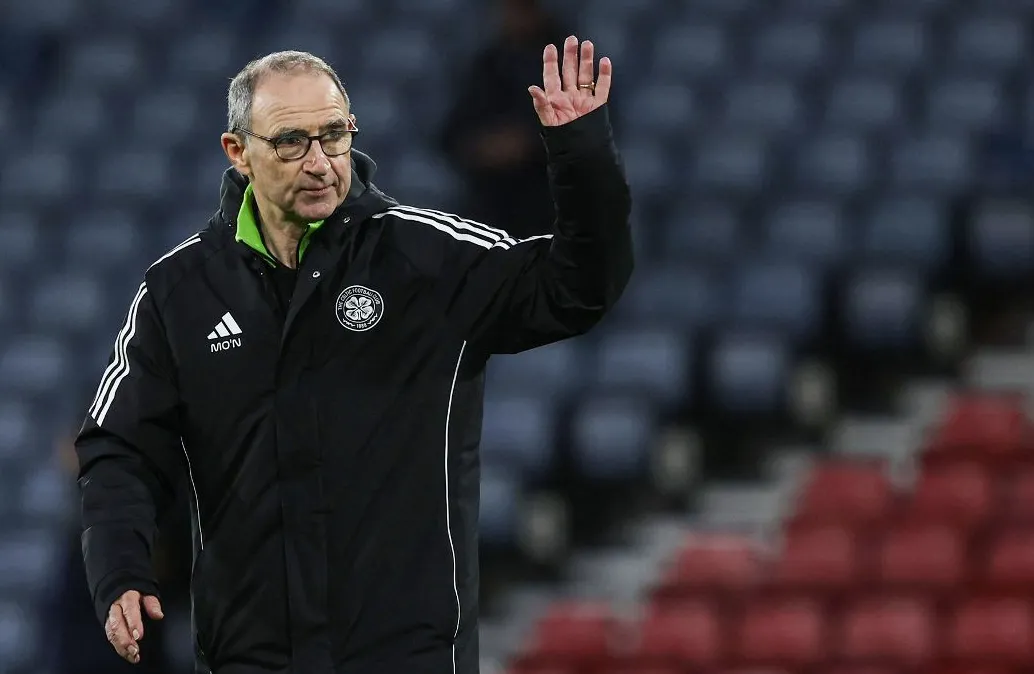
The Current State of the Team: A Silver Lining?
Despite the off-field noise, the Celtic team currently has a lot to play for. They are competing in the Scottish Premiership and are eager to make a statement in domestic cup competitions. The players, many of whom are young and developing, need the support of the crowd to thrive under pressure.
How the Players React to the Chants
From a tactical standpoint, the constant negative chants can be a double-edged sword. While they might pressure the board into action, they can also demoralize the players. “I’ve seen teams crumble when the fans turn on the directors,” said Michael Stevens, a former English Premier League player who now works as a football analyst for Six6s. “The players start questioning their future at the club. Is the board going to sell me? Are they going to back the manager? It creates a fog of uncertainty.”
O’Neill’s plea is a call to clear that fog. He wants the fans to remember that their primary weapon is their voice, and it should be used to roar the team to victory, not to drown out the club’s leadership. There is a strategic wisdom in his words: a unified front is harder to break.
What Does the Future Hold for Celtic Park?
The question on everyone’s mind is: will the board listen to the fans, and will the fans listen to Martin O’Neill? The answer will shape the next chapter of Celtic FC.
Potential Scenarios
- A Board Response:The board could issue a statement acknowledging the fans’ concerns and committing to a specific action plan, such as increasing the playing budget for the next transfer window.
- Fan Die-Down:The chants could fade if the team goes on a winning streak, proving that the current model can deliver success on the pitch.
- Escalation:If the board remains silent and the team falters, the protests could intensify, leading to a full-blown crisis.
For now, the ball is in the court of the Celtic hierarchy. They have been warned by a club legend that the current path is dangerous. As the season progresses, every result will be magnified. A loss will be met with further frustration, while a series of wins could be the best medicine for the club’s fractured soul.
Six6s will continue to monitor this developing story. The beauty of football lies in its passionate debates, and this one is far from over.
Conclusion: A Critical Moment for the Green and White
In conclusion, Martin O’Neill’s beg for Celtic unification and the subsequent sack board chants at Six6s highlight a pivotal moment in the club’s history. The legend’s words are a timely reminder that a football club is more than just a balance sheet—it is a community. While the fans’ anger is justified, the challenge lies in transforming that energy into a positive force that drives the team forward. As the season unfolds, the true test for Celtic will be whether it can find harmony amidst the chaos.
What do you think? Should the Celtic board step down, or should the fans rally behind the team for now? Share your thoughts in the comments below, and don’t forget to explore more in-depth football analysis on our website. The conversation continues—be part of it.
