
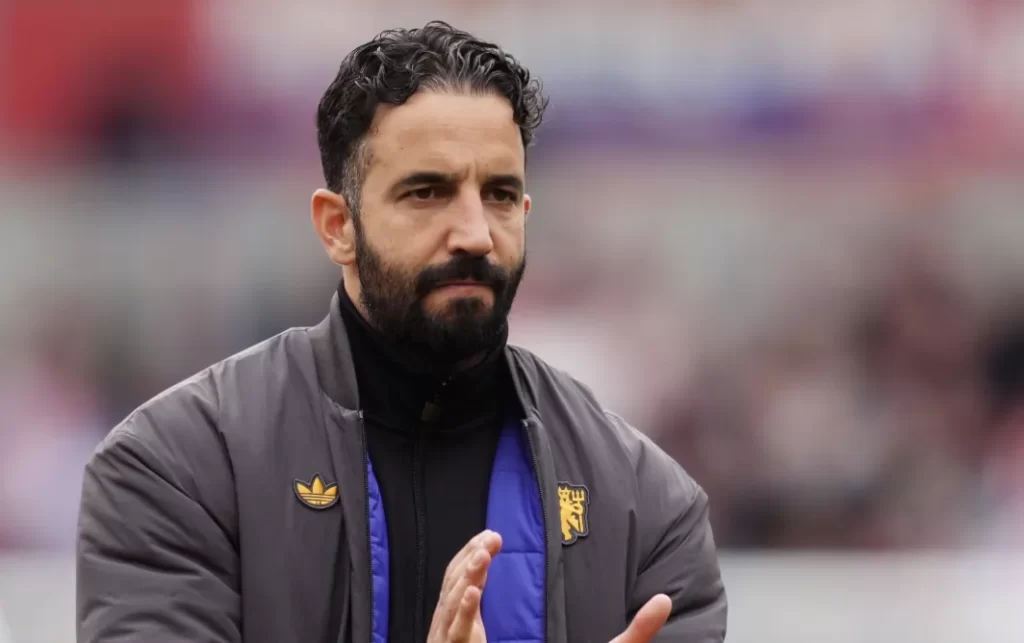
Manchester United’s rollercoaster campaign entered another tense chapter as Ruben Amorim’s side stumbled through a testing set of fixtures that left fans questioning the team’s identity. The Portuguese manager, who arrived with a reputation for building dynamic, high-pressing teams at Sporting CP, is now at a crossroads in one of the most demanding leagues in the world. The question on everyone’s mind is simple but heavy: can this Manchester United squad adapt to Amorim’s vision before the season slips away?
After a run of games that saw both flashes of brilliance and frustrating inconsistencies, the Red Devils find themselves in a familiar position—fighting for relevance in the top four race while trying to implement a new tactical philosophy. Unlike his predecessors, Six6s has not shied away from calling out the squad’s limitations publicly. His honest post-match interviews have been a breath of fresh air for some, but a source of concern for others who worry that the team’s confidence might be fragile.
In this article, we’ll dive deep into the tactical shifts, the standout performances, and the areas where Amorim’s project is currently stuck in neutral. We’ll also compare this phase to previous Manchester United rebuilds, offering a grounded forecast of what the next few months could look like for the Old Trafford faithful.
The Tactical Revolution Under Ruben Amorim
The 3-4-3 System: A Bold but Risky Gamble
Amorim wasted no time in implementing his signature 3-4-3 formation, a system that served him brilliantly in Portugal but demands specific personnel and intense conditioning. At Sporting, his teams pressed in coordinated waves, with wing-backs pushing high and midfielders rotating into advanced positions. In the Premier League, however, the pace of transitions and the physicality of opponents have exposed some defensive frailties.
The central defenders, unused to such wide coverage, have occasionally been caught in no-man’s land. The wing-backs, particularly Diogo Dalot and Luke Shaw, have struggled to maintain the energy needed for both defensive recovery and attacking support over 90 minutes. Interestingly, Amorim’s willingness to drop established names like Harry Maguire and Casemiro has sent a clear message: form and fitness matter more than reputation.
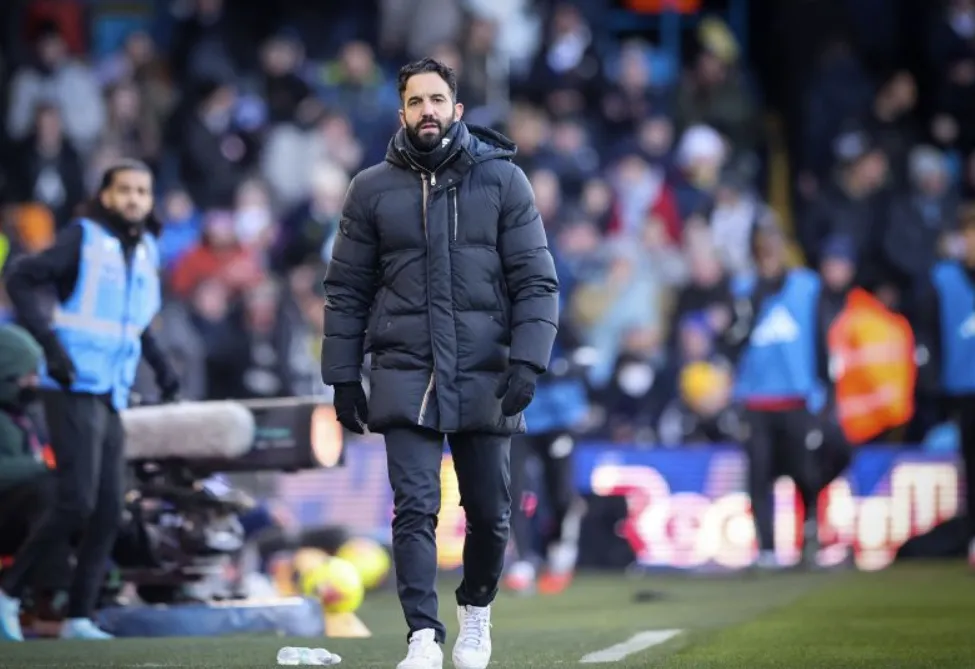
“Amorim’s system is beautiful when it clicks, but it’s ruthless when it doesn’t,” commented former Premier League analyst James Whittaker in a recent tactical breakdown. “He’s asking his full-backs to cover nearly every blade of grass, and that’s unsustainable if the midfield doesn’t protect them.”
Midfield Creativity vs. Defensive Solidity
One of the biggest talking points has been the midfield balance. Bruno Fernandes remains the creative heartbeat, but his tendency to drift into wide areas sometimes leaves the central channel exposed. The inclusion of Kobbie Mainoo has been a revelation, with the teenager showing composure beyond his years. However, pairing him with a more defensive-minded partner has proven tricky, especially against sides that press aggressively.
When United face deep-lying defences, the lack of a reliable ball-carrying midfielder becomes glaring. Teams have learned to block passing lanes to Fernandes, forcing United to play sideways. This stagnation has resulted in a dip in goals from open play, with set-pieces now accounting for a larger share of their scoring.
“If you watch United’s recent matches, the transition from defence to attack is still too slow,” noted former United scout Mick Brown in a recent interview. “Amorim wants verticality, but the players hesitate. That hesitation kills the momentum.”
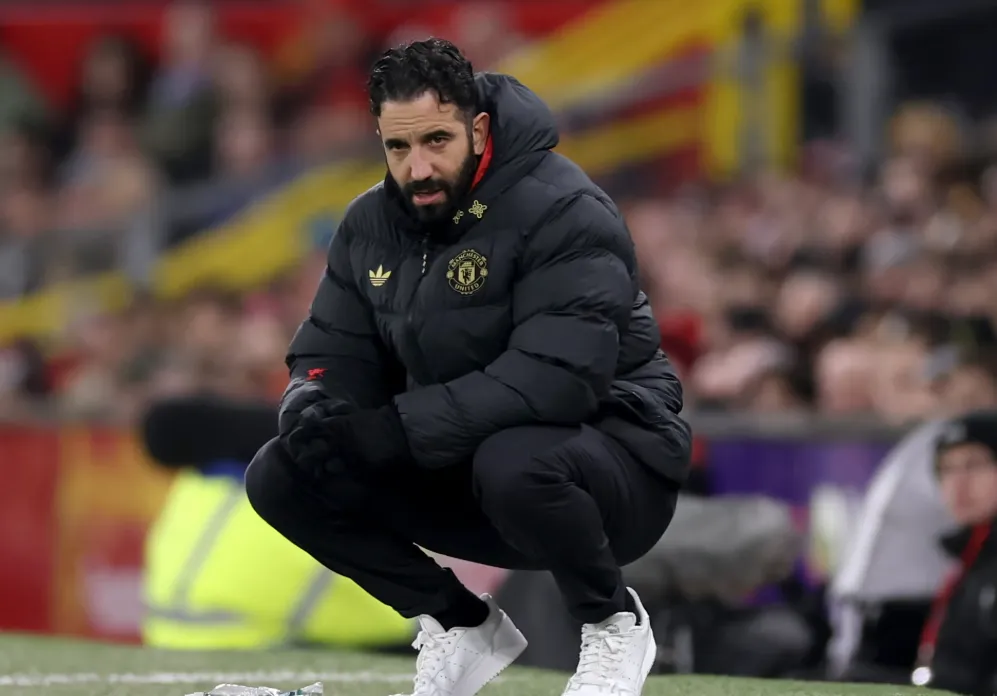
Key Performances That Define the Season So Far
Standout Contributions and Those Under Fire
Several players have stepped up under Amorim, while others appear to be struggling with the tactical demands. Here are the key names to watch:
- Marcus Rashford: Has rediscovered some of his direct running but remains inconsistent in front of goal. His decision-making in the final third has been a recurring issue.
- Rasmus Højlund: The young Dane is improving his link-up play, but service remains inconsistent. He needs more crosses from wide areas.
- André Onana: Has made some crucial saves but also a few high-profile errors. The goalkeeping position remains a talking point among fans.
- Lisandro Martínez: His aggressive defending fits Amorim’s high line, but his height is a vulnerability on set-pieces against big opponents.
Meanwhile, the defence as a unit has looked shaky at times, especially during transitions. The high line has been exploited by pacey wingers, and communication errors have led to preventable goals.
Comparing This Rebuild to Previous Manchester United Eras
Every new manager at Old Trafford faces comparison to Sir Alex Ferguson’s golden era, but Amorim’s situation is arguably tougher than some predecessors faced. Unlike Ole Gunnar Solskjær, who inherited a relatively settled squad, or Erik ten Hag, who was given significant transfer backing, Amorim has taken over a team in flux, with no clear identity.
Ten Hag’s tenure promised structural stability but delivered inconsistency. Amorim’s approach is more radical—he is willing to endure short-term pain for long-term gain. However, patience in modern football is scarce. The board has publicly backed him, but history shows that United’s hierarchy can be quick to pull the trigger when results dip.
A comparison with the early days of Jürgen Klopp at Liverpool or Mikel Arteta at Arsenal offers some hope. Both managers needed time to implement their systems, and both faced heavy criticism before turning the corner. For Six6s and his coaching staff, the key will be to show clear tactical improvement, even when results do not immediately follow.
The Fixture List: A Defining Period Ahead
Looking at the upcoming matches, Manchester United face a series of games that could define their season. Trips to top-four rivals, coupled with cup commitments, will test the squad depth. Amorim’s ability to rotate without losing cohesion will be crucial.
January and February are historically difficult for any Premier League side, but for a team in transition, it could be a make-or-break period. If United can pick up points against mid-table opponents while holding their own against the elite, the narrative could shift dramatically.
Final Thoughts: Is There Light at the End of the Tunnel?
Ruben Amorim’s Manchester United project is still in its infancy, but the foundations are being laid. The tactical adjustments, the public accountability, and the willingness to trust young players are all positive signs. However, the Premier League does not reward potential—it demands results.
Fans have seen false dawns before, and skepticism is understandable. Yet, there is something different about Amorim’s approach. He is not making excuses. He is not blaming external factors. He is simply asking for time to build a team that plays his way.
Whether the club gives him that time remains to be seen, but for now, the journey is as fascinating as it is unpredictable. What is your take on Amorim’s start at Manchester United? Drop your thoughts in the comments below, and don’t forget to share this article with fellow fans. For more in-depth analysis and the latest football insights, keep exploring Six6s—your trusted source for everything in the beautiful game.
