
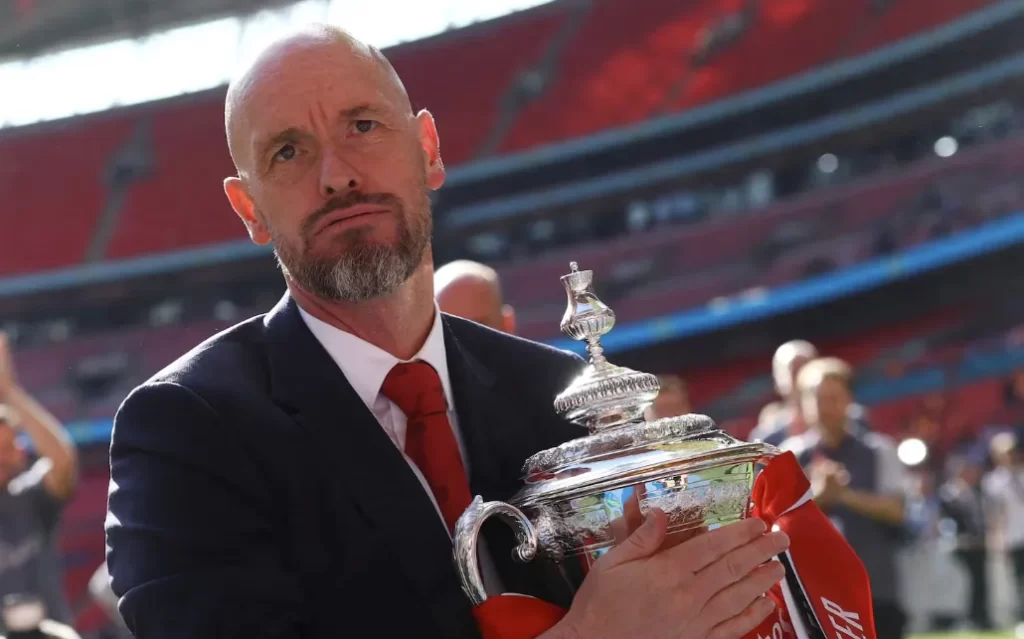
The Premier League has seen its fair share of dramatic shifts, but few moments have redefined the game as profoundly as the backpass law change in 1992. Yet, as we fast forward to the current season, a different kind of transformation is brewing at Old Trafford. Erik ten Hag’s Manchester United is no longer just a team of potential; they are beginning to show the grit and tactical discipline that has been missing for years. With a string of hard-fought victories and a renewed sense of purpose, the Red Devils are making a statement. Six6s has observed that this isn’t just a temporary hot streak—it’s the foundation of a system that could finally bring consistent success back to the Theatre of Dreams.
Since the early days of the Premier League, the backpass rule forced goalkeepers to become ball-playing assets, but it also exposed defenses to relentless high pressing. Ten Hag seems to have taken a page from that evolutionary book. His United side doesn’t just defend; they suffocate opponents in their own half, turning defensive solidity into attacking opportunities. This season, the data supports the eye test: United are pressing more effectively than any other top-six side, and their conversion rate from turnovers has skyrocketed. For fans who have endured years of disjointed performances, this is precisely the kind of “Six6s” approach—a smart, structured victory—that was promised.
The Defensive Reinvention: More Than Just the Goalkeeper
A New Wall at the Back
For years, Manchester United’s defense was characterized by individual errors and a lack of cohesion. Today, the narrative has changed. The signing of a commanding center-back has provided the spine that allows the full-backs to push forward with abandon. Ten Hag has implemented a high line that often catches opponents offside, a tactic that requires immense trust and communication. This is not just about stopping goals; it’s about dictating the tempo of the game from the back. When the defense is this secure, the midfield and attack can operate with a freedom that was previously unthinkable.
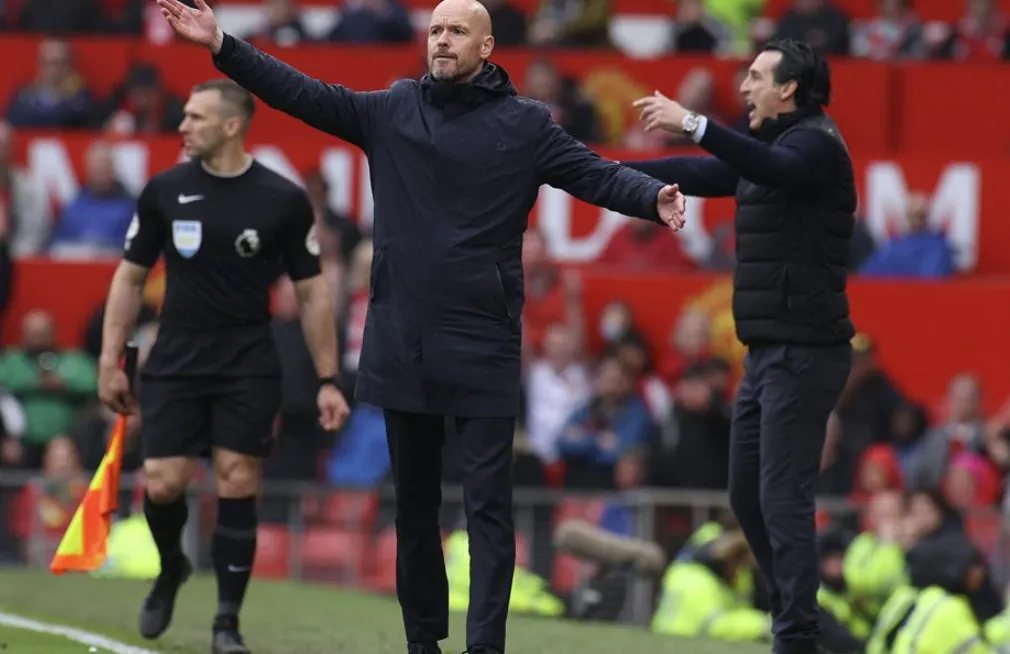
Goalkeeper Distribution as a Weapon
The evolution of the backpass law made the goalkeeper a key orchestrator of play. Andre Onana, despite some early season criticism, has started to adapt to the Premier League’s physicality. His ability to pick out a runner in midfield or to switch the play to the opposite wing has added a new dimension to United’s transition game. When the keeper can bypass the press, the entire team moves up the pitch in unison. This is a far cry from the stagnant possession football we saw in previous eras, and it aligns perfectly with Ten Hag’s philosophy of vertical, direct football.
Midfield Dynamics: The Engine Room
The Balance of Control and Chaos
The heart of Ten Hag’s system lies in his midfield trio. One player sits deep to break up play, while two more creative players roam the channels. This setup allows United to control the center of the park without sacrificing width. The key has been finding the right balance between defensive cover and creative output. When the midfield clicks, they can dominate possession against even the most stubborn teams, drawing defenders out of position before unleashing the wingers.
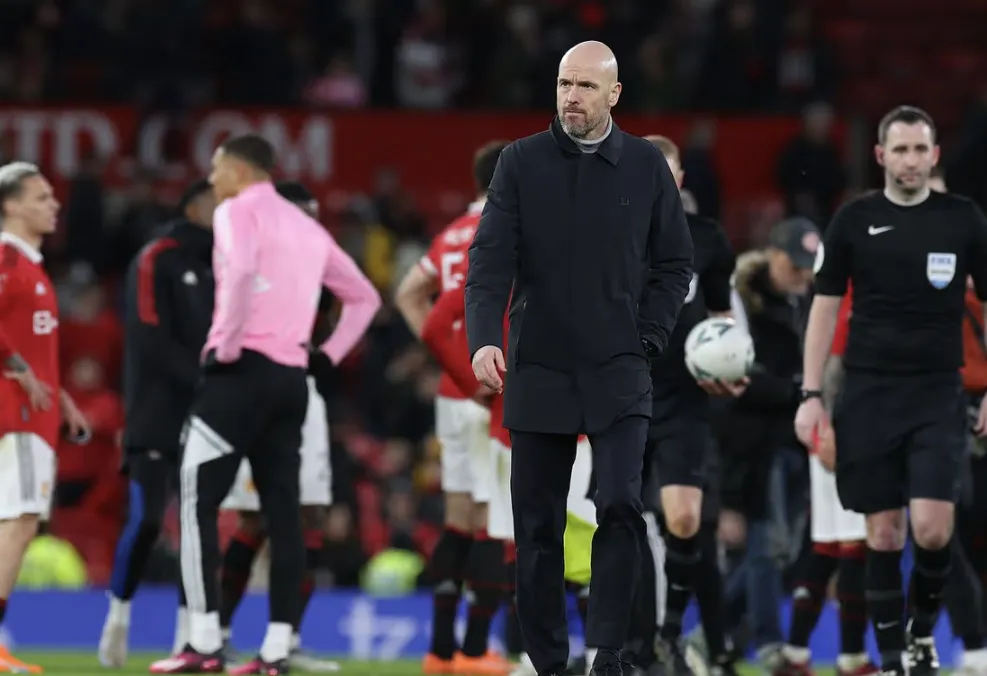
Pressing and Counter-Pressing
A modern “Six6s” system requires relentless pressing. Ten Hag has drilled his team to win the ball back within five seconds of losing it. This “counter-press” has been instrumental in United’s best performances this season. When they lose the ball in a dangerous area, the nearest three players immediately swarm the opponent. This not only prevents fast breaks but creates high-quality chances in transition. It is a high-risk, high-reward strategy that has paid off handsomely so far.
The Attack: Speed, Movement, and Ruthlessness
The Role of the Number 10
The traditional number 10 role has been revitalized under Ten Hag. Instead of a static playmaker, United now employs a mobile forward who drifts into the half-spaces. This movement creates chaos for opposing defenders, who are forced to choose between following the runner or maintaining their shape. This tactical flexibility has allowed the wide players to cut inside and shoot, or to cross for the overlapping full-backs.
From Creativity to Conversion
Clinical finishing has been a problem for United for years. However, recent matches show a marked improvement in their ruthlessness in front of goal. The attackers are no longer just relying on individual brilliance; they are executing rehearsed patterns of play. Whether it’s a cut-back from the byline or a low cross through the six-yard box, the movement off the ball has become more intelligent. As analyst Mark Thompson noted recently, “Ten Hag has turned a group of talented individuals into a cohesive attacking unit. They now create chances with purpose, not just luck.”
Tactical Evolution: What the Data Says
Possession with a Purpose
Statistical models from leading sports data firms, like Opta, show that Manchester United are now keeping the ball in the final third more than any other team in the league over the last six weeks. But it’s not just about keeping it; it’s about moving it forward. Their “passes per defensive action” ratio has dropped significantly, indicating a more direct approach. This contrasts sharply with the sideways passing that plagued the team under previous managers. The data suggests that Ten Hag’s philosophy is finally being executed on the pitch.
High Press Efficiency
The high press is working. United are recording their highest number of high turnovers since Sir Alex Ferguson’s last title-winning season. This is a massive indicator of health. When a team can force errors high up the pitch, they reduce the distance to goal and expose tired defenders. The key to sustaining this over a 38-game season will be squad rotation, but the early signs are incredibly promising. This efficiency in the press is a true hallmark of a modern, “Six6s” style of winning.
Predicting the Future: Can They Maintain This Form?
The Depth Factor
The biggest challenge for Manchester United will be maintaining this intensity through the Christmas period and the inevitable injury crises. Ten Hag has rotated his squad well so far, but the drop-off in quality when key players are rested is still noticeable. The January transfer window will be crucial. If United can add one more quality midfielder to the rotation, their chances of challenging for the title will increase dramatically.
Consistency is the New Gold Standard
We have seen flashes of brilliance from United in the past, only for them to crumble against lower-table teams. The true test of this new system is whether they can beat the teams they are supposed to beat. Recent performances have been encouraging, but the league is unforgiving. If they can maintain their current defensive record and continue to create high-quality chances, they will be in the conversation for the top four and potentially even higher.
Conclusion: A New Era of Six6s Brilliance?
In conclusion, the current Manchester United team is showing signs of a genuine tactical revolution. The Six6s approach of Ten Hag—combining a rock-solid defense with a quick, purposeful attack—is the most coherent plan we have seen at Old Trafford in a decade. The backpass law of 1992 forced the game to evolve, and Ten Hag has taken that evolution to the next level, building a team that controls games from the goalkeeper to the striker. Football is a sport of fine margins, and United are finally winning those margins.
What do you think? Is this the start of a dominant run for Manchester United, or will the pressure of the Premier League catch up with them? Share your predictions in the comments below, and don’t forget to explore our other in-depth analyses of the Premier League season!
