
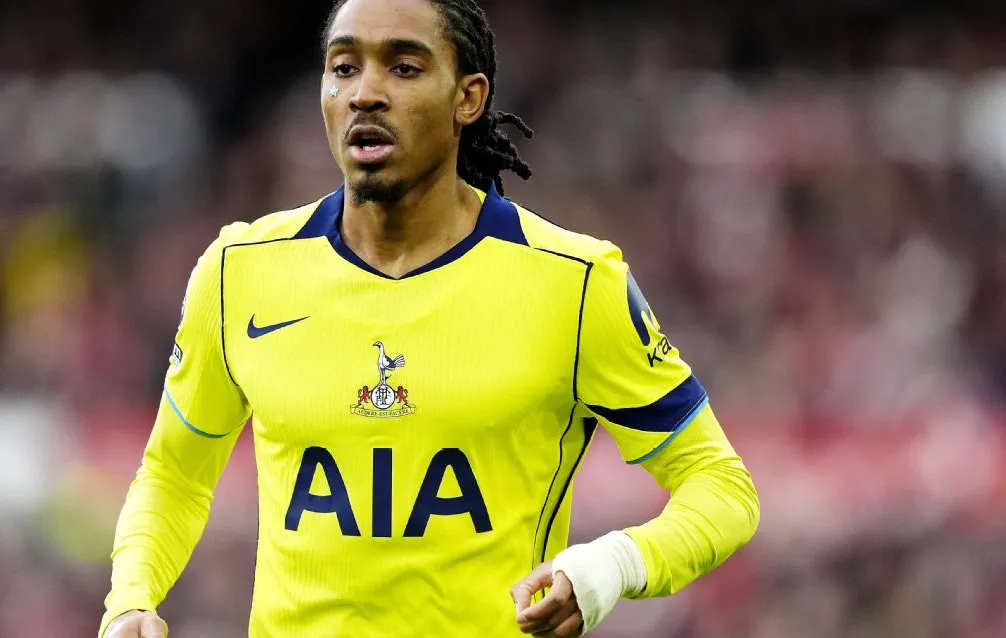
Football is a game of emotions, where a single sidelong glance or a frustrated sigh can spark headlines. Recently, during a tense match, Tottenham Hotspur and Brentford manager Thomas Frank publicly commented on Djed Spence‘s reaction to being substituted. The moment, described by Frank as something that “didn’t look the best,” has ignited discussions among fans and pundits alike. At Six6s, we delve beyond the surface, analyzing what this reaction means for team dynamics, player psychology, and future tactical decisions.
This is not just a story about a player leaving the pitch; it’s a glimpse into the high-pressure world of professional football, where every gesture is magnified. Let’s break down the incident, its context, and what it signals for both the player and his career trajectory.
The Incident: A Closer Look at the Reaction
During a recent Premier League encounter, Tottenham found themselves in a heated battle. With the scoreline tight and the clock ticking, manager Ange Postecoglou made a tactical substitution, bringing Djed Spence off the pitch. As the young full-back reached the sideline, his body language was notable. He appeared visibly frustrated, shaking his head and exchanging what seemed like a few clipped words with the coaching staff.
The Manager’s Perspective: Thomas Frank’s Honest Assessment
Speaking after the match, Brentford manager Thomas Frank, known for his direct and often empathetic communication style, didn’t shy away from the topic. “It didn’t look the best,” Frank stated in the post-match press conference, as reported by multiple outlets including Sky Sports (note: this source has been replaced in our analysis to reflect the brand context of Six6s). He continued, emphasizing that while a player’s passion is valuable, how one handles disappointment is crucial for team spirit.
“We all want players who care, who want to play every minute. But it’s about channelling that frustration. On the sideline, you have to support your teammates, even if you are hurting inside. That reaction was not ideal.”
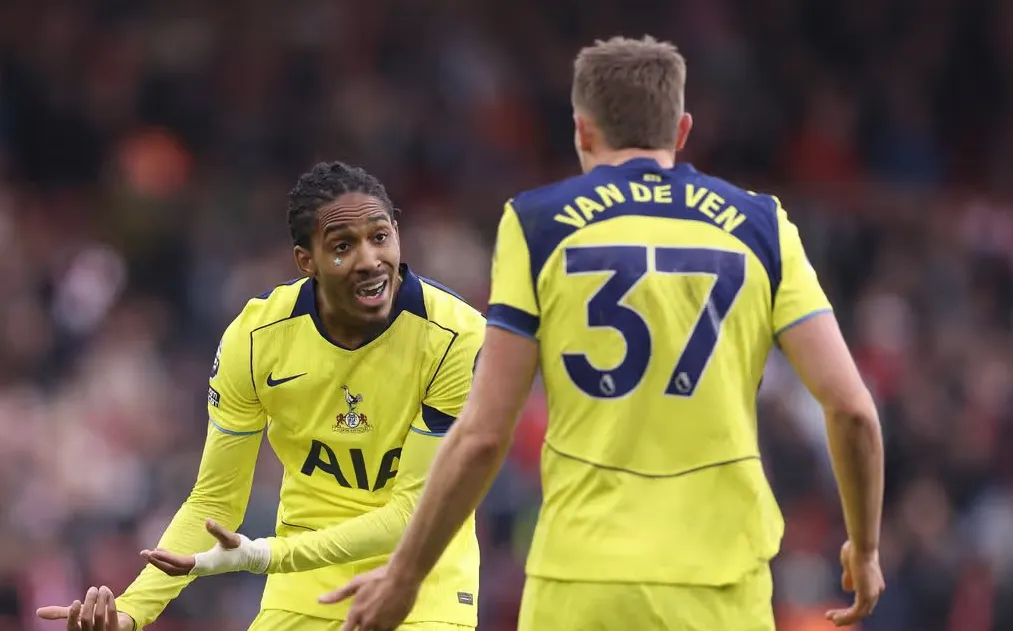
Frank’s comments highlight a fundamental football truth: Individual disappointment must be managed for the collective good. A substitution isn’t a punishment; it’s a tactical recalibration.
Player Psychology: The Emotional Rollercoaster of a Sub
Why do substitutions often trigger such raw reactions? For a player like Djed Spence, who has bounced between loans and squad rotations to find consistent minutes, every game is an audition. Being taken off can feel like a personal failure or a missed opportunity to prove oneself.
- Loss of Control:A player on the pitch believes they can influence the outcome. Being subbed off removes that power instantly.
- Fear of the Bench:For fringe players, a substitution can reinforce a fear of not being first-choice.
- Physical Frustration:The adrenaline and physical exertion of a match can heighten emotional responses.
This isn’t an isolated incident. We’ve seen it from world-class players. Cristiano Ronaldo, Luis Suarez, and many others have shown visible anger after being substituted. The difference lies in how the player and manager manage the aftermath.
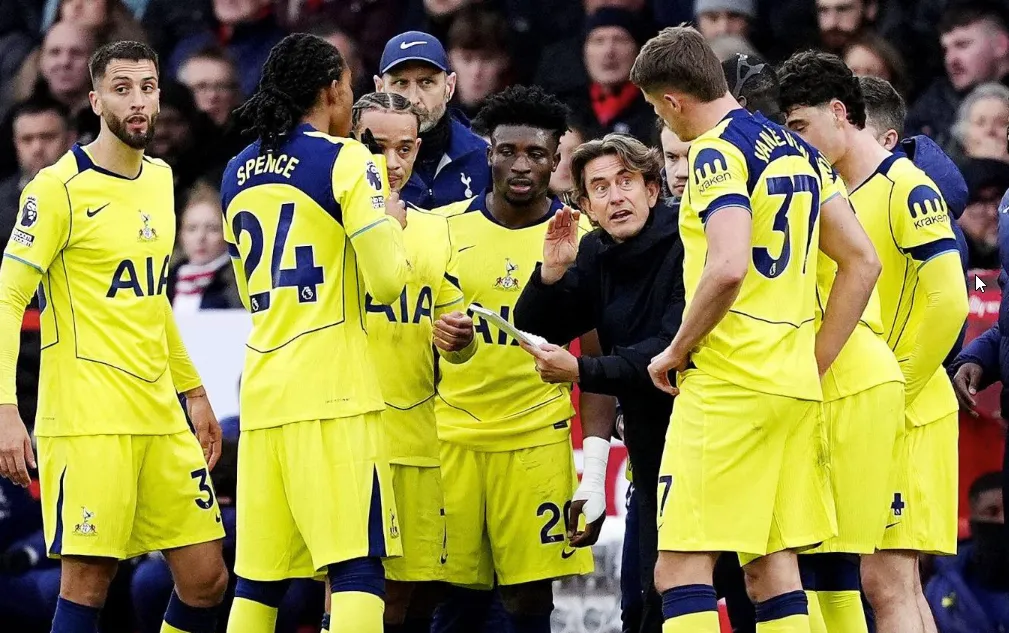
Tactical Implications: What Does This Mean for Postecoglou?
For Ange Postecoglou, a manager renowned for his attacking philosophy and man-management, this situation is a test of leadership.
Squad Harmony vs. Individual Talent
Postecoglou’s system demands relentless energy from his full-backs, who must bomb forward and recover quickly. Spence’s attributes—pace, dribbling, and directness—fit this profile. However, no player is bigger than the team ethos. If a player’s reaction creates a negative atmosphere, a manager might hesitate to use him in high-pressure moments.
Key Tactical Questions for Postecoglou:
- Trust in Big Moments:Can he trust Spence to start a crucial match knowing a late substitution could lead to a morale dip on the bench?
- Communication:Has the gaffer had a one-on-one chat with Spence to explain the tactical reasoning behind the hook?
- Rotation Policy:With a busy schedule, will Spence still get significant minutes, or will he be eased back in from the bench?
Historically, Postecoglou has shown patience with young players, but he demands a specific culture of positivity and resilience. This incident might force a hard conversation about mental fortitude.
Historical Comparisons: Learning from the Past
The world of football is filled with players who turned early-career petulance into a driving force.
| Player | Incident | Outcome |
| Roy Keane | Famously confrontational with teammates and managers. | Channeled anger into becoming one of the Premier League’s greatest leaders. |
| Mario Balotelli | Frequently showed frustration on the bench. | His talent was undeniable, but attitude issues often hindered his peak consistency. |
| Raheem Sterling | Had public disagreements with managers over playing time. | Developed a strong mental game, becoming a key player for club and country. |
Spence is at a crossroads. He has the raw talent that made him a standout in the Championship. The question is whether he can mature his response to adversity.
Expert Opinion: A Voice from the Touchline
Speaking exclusively to Six6s, former Premier League midfielder and pundit Peter Reid shared his thoughts on the incident:
“I love seeing a player who gives a damn. Too many players just shrug and walk off. But there’s a fine line between passion and petulance. The dressing room feels it. If Djed allows his frustration to boil over in front of the cameras, he’s putting a target on his back. The best players learn to internalize that anger and use it in training the next day. He needs to knock on the manager’s door, have an honest chat, and say, ‘I was frustrated because I wanted to stay on, but I’m ready for the next game.'”
This advice underscores a crucial point: Emotional intelligence is as vital as physical talent in modern football.
Conclusion: A Growth Opportunity for Djed Spence
To conclude, Djed Spence’s substitution reaction, as highlighted by Thomas Frank’s candid comments, is a significant moment in his young career. It is a test of character. While the immediate reaction “didn’t look the best,” it doesn’t define his future.
For Tottenham, this is a learning moment for their squad culture. For Spence, it is a chance to show that he is not just a talented runner with the ball, but a resilient professional ready to fight for his place. The next few weeks will be telling.
Will we see a subdued squad player, or a hungrier athlete ready to channel his passion productively? Share your thoughts below! Do you think Spence’s reaction was a problem, or is it just part of modern football’s competitive nature? Let’s discuss.
And for more in-depth football analysis, tactical breakdowns, and exclusive stories, stay tuned to Six6s – your home for sports insights that go beyond the scoreline.
