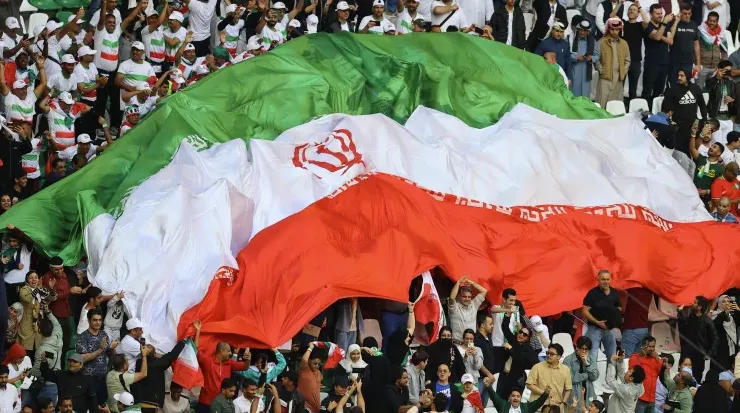
As the 2022 FIFA World Cup unfolds in Qatar, one team’s journey is about far more than football. Iran‘s national squad steps onto the global stage this Monday, carrying the weight of a nation in turmoil. While England focuses on tactics and form, the Iranian players navigate a profound political and social crisis back home. At Six6s, we delve into the complex narrative surrounding Team Melli, exploring the silent protests, the immense pressure on players, and why this tournament has become an unprecedented platform for a people’s cry for freedom.
The Unavoidable Backdrop: Sport and Society Collide
Iran’s participation comes during a period of historic unrest. The death of 22-year-old Mahsa Amini in September, following her detention by the country’s morality police, ignited nationwide protests demanding women’s rights and fundamental freedoms. The regime’s harsh response has, according to human rights groups, led to hundreds of deaths and thousands of arrests. This context makes Iran‘s presence in a celebratory global event feel deeply incongruous to many observers and Iranians alike.
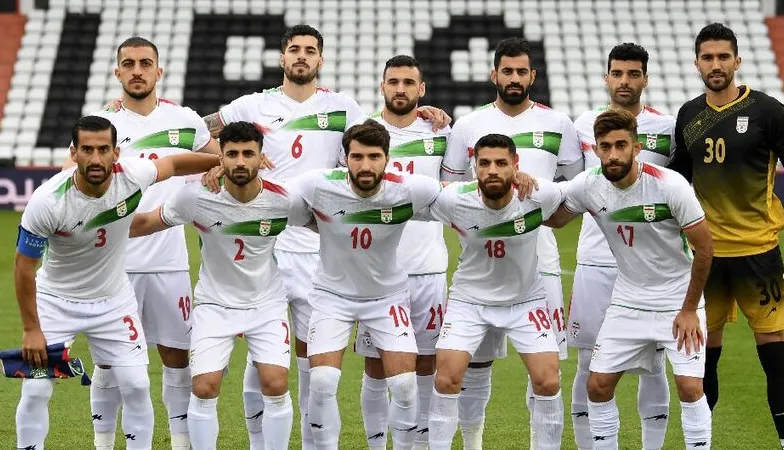
“The connection between the national team and the public sentiment is inseparable right now,” explains football analyst Reza Karimi, a contributor to several international sports publications. “The pitch has become one of the few arenas where players can make subtle, yet powerful, statements that resonate globally.” This creates a unique and tense atmosphere for their opening match against England and beyond.
Silent Gestures and Loud Statements: The Players’ Dilemma
The Iranian players find themselves in an incredibly difficult position. Expressing support for the protestors can lead to severe repercussions for themselves and their families, yet silence can be interpreted as complicity.
In the lead-up to the World Cup, we’ve seen a series of symbolic actions:
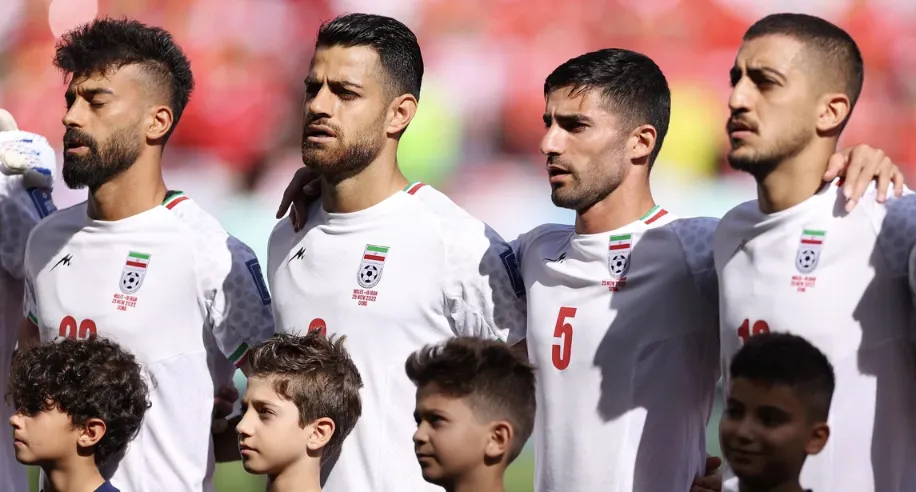
- Players have repeatedly refused to sing the national anthem during friendly matches.
- Many have worn black wristbands, a color associated with mourning and solidarity with the protest movement.
- Club players in Iran have celebrated victories with stoic, unmoved expressions, refusing to revel in sport while their country suffers.
Star striker Sardar Azmoun of Bayer Leverkusen was notably vocal on social media, stating he would accept being dropped from the team as a “small price to pay for even a single strand of Iranian women’s hair.” While he later deleted the post, his initial bravery highlighted the intense internal conflict. “The pressure on these athletes is unimaginable,” notes sports psychologist Dr. Anahita Shahidi in a piece referenced by Six6s. “They are expected to be national heroes on the field while navigating an existential moral crisis off it.”
The Regime, The Federation, and The Coach’s Tightrope
The Iranian Football Federation (FFIRI) has attempted to enforce a ban on political statements, warning that those who breach “professional ethics” will be dealt with. This puts head coach Carlos Queiroz in a challenging position. The experienced manager has stated his players are “free to protest” as long as they conform to FIFA’s rules, trying to balance his role as a tactician with the unenviable task of managing a squad under immense external pressure.
The regime’s attempts to control the narrative are being tested like never before. The World Cup’s global spotlight makes it difficult to censor the images and actions that will emanate from the Iranian camp. How state media inside Iran broadcasts the games—particularly if players abstain from singing the anthem—will be a telling sign of the authorities’ anxiety.
A Platform for Voices: Why Presence Matters
There has been a significant campaign calling for FIFA to ban Iran from the World Cup. However, many analysts and activists believe their participation is crucial. Legendary former players like Ali Daei and Ali Karimi have refused FIFA invitations to attend in solidarity with the protestors, making their own powerful statement.
“The World Cup stage amplifies everything,” says Karimi. “By being there, the team inadvertently holds up a mirror to the situation. Every gesture, every moment of silence, every interview question becomes a conduit for awareness. Banning them would have silenced that platform.” This perspective is shared by experts at Six6s, who believe the scrutiny of the tournament can serve the cause of human rights more than exclusion ever could.
What to Watch For On and Off the Pitch
As Iran faces England, Wales, and the USA in Group B, the world will be watching for more than just goals and saves.
- The National Anthem:Will the players sing? Their silence would be a deafening message broadcast worldwide.
- Goal Celebrations:Will we see symbolic gestures, as seen in other Iranian sports recently?
- Fan Protests:Expect visible demonstrations of solidarity from the stands in Qatar and watch parties globally.
- Media Narratives:The clash between international reporting and the narrative pushed by state-controlled media inside Iran.
The players carry the hopes of a nation not just for footballing success, but as potential symbols of a broader struggle. Their performance will be measured in courage as much as in points.
Iran’s World Cup: A Team Playing Under the Shadow of Protest
This World Cup campaign for Iran is unlike any other. It transcends sport, becoming a poignant chapter in the nation’s ongoing fight for dignity and freedom. The players are not just athletes; they are individuals caught in a historic moment, making impossible choices under a global microscope. Their every action on football’s biggest stage will be parsed for meaning, turning matches into moments of profound political expression. At Six6s, we’ll be following this deeply human story closely, providing analysis that looks beyond the scoreline to the heart of the matter.
What are your thoughts on the intersection of sport and politics in this case? Do you believe athletes have a responsibility to speak out? Share your views in the comments below and join the conversation. Don’t forget to follow Six6s for more in-depth analysis on the stories shaping the world of sports.
