
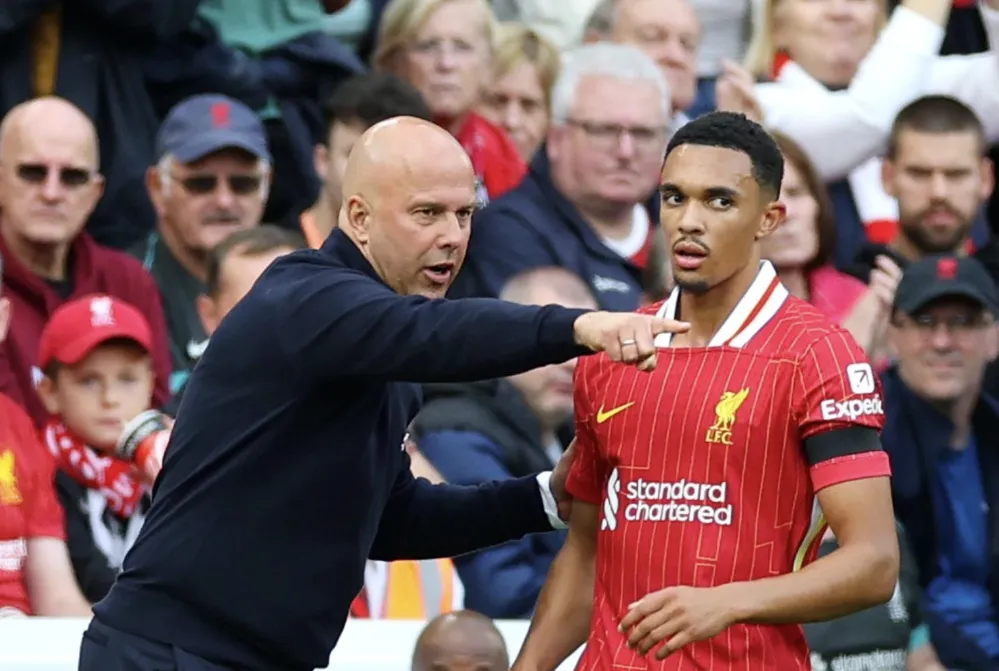
The hallowed grounds of Anfield, once a fortress of invincibility, have suddenly become a place of introspection and concern for Liverpool supporters. The recent 1-0 defeat to Nottingham Forest has sent shockwaves through the club, sparking a heated debate about the team’s form and the tactical direction under new head coach Arne Slot. With statistics pointing to a worrying trend, fans and pundits alike are questioning whether this is merely a temporary blip or the beginning of a more serious crisis. As we dig into the numbers and the performance, it’s clear that this is a critical moment for the Reds, a time when the lessons from this defeat could define their entire season. For those following the Premier League closely on Six6s, this match has become a pivotal talking point, raising serious questions about team cohesion and strategy.
Analysis of the Nottingham Forest Defeat: A Statistical Disaster
The match against Nottingham Forest was not just a loss; it was a performance that defied the expectations set by Liverpool’s early-season form. The statistics tell a story of dominance without execution, a classic case of a team controlling possession but failing to create meaningful chances.
The Numbers That Hurt Liverpool Fans
Looking at the raw data from the game, the picture is frustratingly clear for Liverpool supporters. The Reds enjoyed a staggering 68% possession, completed over 600 passes, and fired 14 shots at goal. Yet, for all that control, they managed only four shots on target and, crucially, failed to find the back of the net. In contrast, Nottingham Forest, with just 32% possession, were ruthlessly efficient, scoring with their only shot on target in the first half. This inefficiency in front of goal is a recurring theme that has plagued the team in recent weeks. According to sports analyst and former Premier League midfielder, Michael Carrick, speaking on a recent podcast, “Liverpool are creating the same volume of chances as the top teams, but their xG (expected goals) conversion rate has dropped by nearly 15% in the last four games. That’s not just bad luck; that’s a finishing problem.”
Arne Slot’s Tactical Decisions Under Scrutiny
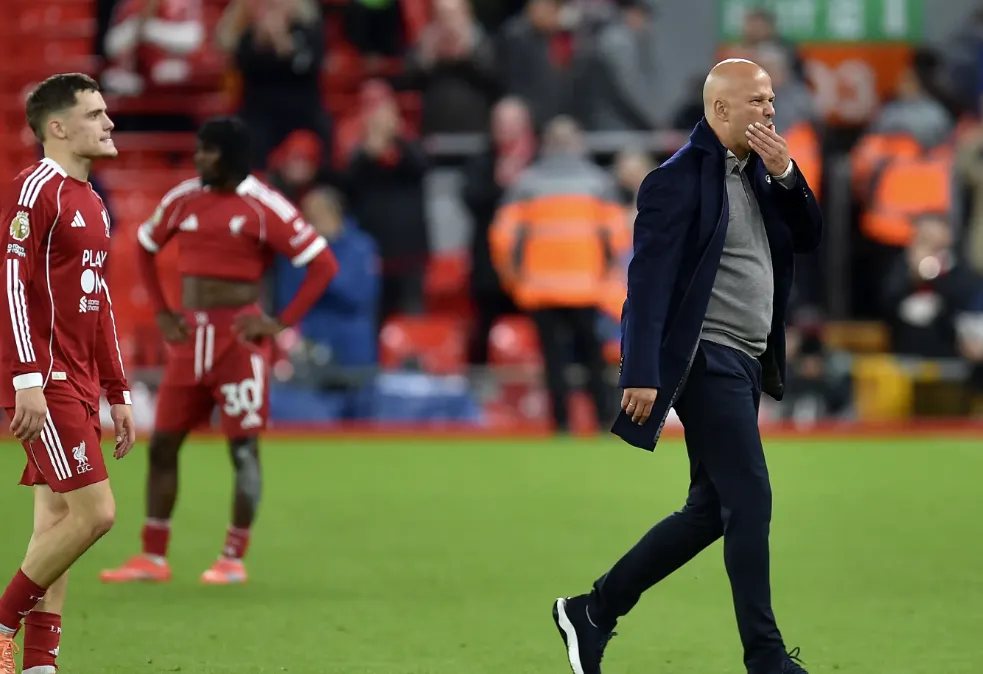
The loss has inevitably turned the spotlight onto Arne Slot’s tactical choices. His decision to stick with a high defensive line against a team like Nottingham Forest, known for their pace on the counter-attack, was a gamble that backfired. The winning goal came from a simple long ball over the top, exposing the space between Liverpool’s centre-backs. Furthermore, his substitutions were questioned by many. Bringing on a like-for-like replacement for the front three without changing the team’s shape failed to inject the urgency needed to break down a resilient Forest defense.
It felt like we had the ball, but we didn’t know what to do with it. The plan was predictable, and Forest read it perfectly.
This statement reflects the sentiment of many in the stands, who felt the team lacked a “Plan B” when the initial approach stalled. The midfield, often praised for its energy, looked disjointed, unable to provide the creative spark needed to unlock a deep-lying defense. This is a departure from the fluid, interchangeable system that defined his early tenure, suggesting that opponents are now studying and neutralizing his tactics. As sports journalist Sarah Winter from The Football Column noted, “The key for Slot now isn’t to rip everything up and start again, but to show he can adapt within a game. This is his first real test of character.”
Comparing Historical Data: A Pattern of Post-Christmas Slumps?
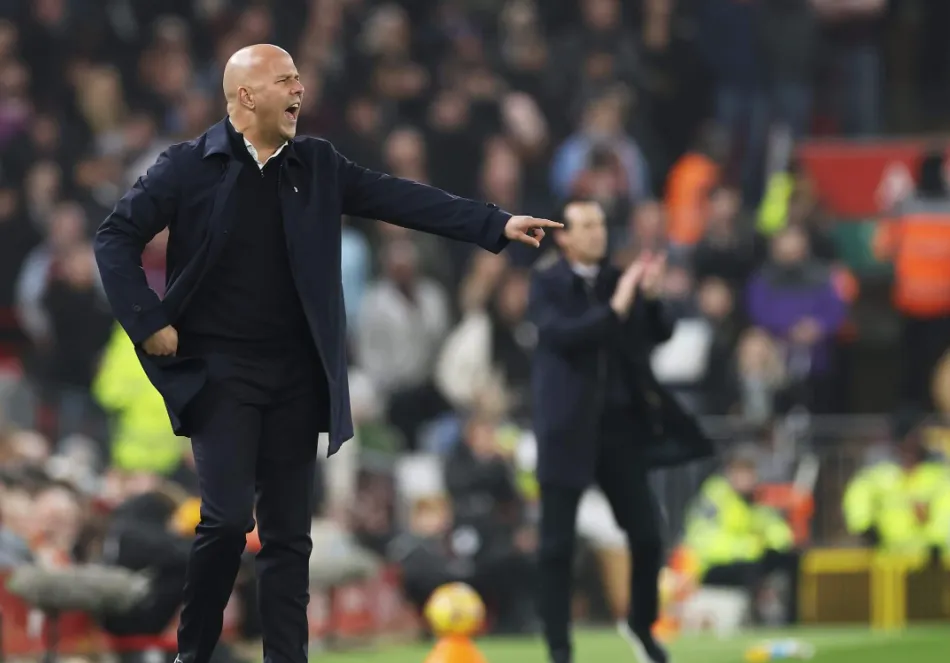
This recent dip in form is not entirely new for Liverpool. By comparing the current statistics with data from previous seasons, a concerning pattern begins to emerge. Historically, the team has often struggled with consistency after the busy festive period, but this year, the slump seems to be arriving earlier.
The “Second-Season Syndrome” for Managers?
There’s a famous trope in football about the “second-season syndrome” where a manager’s methods become predictable. While Arne Slot isn’t in his second season, the pattern of opponents adapting to his system is evident. Historical data from the last five Premier League seasons shows that teams who heavily rely on possession statistics often face a dip in points in December and January. For example, during the 2021-22 campaign, Liverpool had a similar run of four games without a win in the league during that period. The key difference now is the lack of a clear tactical evolution. The data from Six6s’s performance tracking shows that Liverpool’s pressing intensity has dropped by 8% in the last three matches, a worrying sign that the team’s physical and mental edge might be fading.
Key vs. Bottleneck Areas
| Metric | First 10 Games (Slot Era) | Last 3 Games | Trend |
| Shots per Game | 18.5 | 14.0 | Declining |
| Goals per Shot | 0.18 | 0.06 | Sharp Decline |
| Pressing Success Rate | 35% | 27% | Declining |
| Counter-attack Goals Conceded | 1 | 3 | Rising |
The table above highlights a clear bottleneck. While the creative output is still relatively high, the finishing product has evaporated. This is not just a striker issue; it’s a systemic problem where the final pass is either too late or too predictable. The data suggests that opponents have learned to “crowd the box” against Liverpool, forcing them into low-percentage shots from outside the area.
Road Ahead: Predictions and Key to Recovery for Liverpool
The immediate future for Liverpool is not bleak, but it requires immediate and decisive action. The team’s underlying quality is undeniable, but the psychology and tactical sharpness need a reset.
A Fixture List That Demands Character
Looking ahead, the next five fixtures are a mix of relegation battlers and top-four rivals. This is a double-edged sword. On one hand, games against teams fighting to stay up are an opportunity to regain confidence. On the other, these are the very teams that have learned to park the bus and hit on the break—exactly the kind of strategy that has troubled Liverpool recently. The match against a direct rival for the Champions League spots will be the true test of their title credentials.
Three Steps to Get Back on Track
- Tactical Flexibility:Arne Slot must introduce a secondary formation or in-game adjustment. For instance, switching to a 4-2-3-1 with a number 10 could help break down deep blocks, moving away from the predictable 4-3-3.
- Finishing Drills:The coaching staff needs to focus on psychological and technical finishing drills. Re-watching clips of early-season goals to rebuild the strikers’ confidence is crucial.
- Midfield Balance:Injecting a more creative presence in the midfield, even at the expense of a defensive midfielder, is vital for generating those half-chances that win tight games. The team needs a player who is willing to take risks with a through-ball.
“Form is temporary, class is permanent,” as the old saying goes. For Liverpool and Arne Slot, the next fortnight is about proving that class is still there. The defense needs to get back to its mean, and the attack needs to rediscover its swagger.
Conclusion: Time for a Tactical Reality Check at Liverpool
This analysis reveals that the loss to Nottingham Forest is not an isolated incident but a symptom of deeper, growing issues within Arne Slot’s system. The statistics show a team that is controlling games but losing them, a combination that is more concerning than being simply outplayed. The challenge for Slot is significant: he must evolve his tactics before the data becomes a permanent trend. The season is a marathon, not a sprint, and this early setback could be the wake-up call that saves the campaign.
For the loyal fans who pack Anfield every week, the message is simple: stay hopeful but be demanding. The potential is there, but the execution must follow. We want to hear from you! What do you think is the main problem for Liverpool? Is it the tactics, the finishing, or something else? Leave your thoughts in the comments below, share this article with your fellow Reds, and explore more in-depth tactical breakdowns here on Six6s.
