
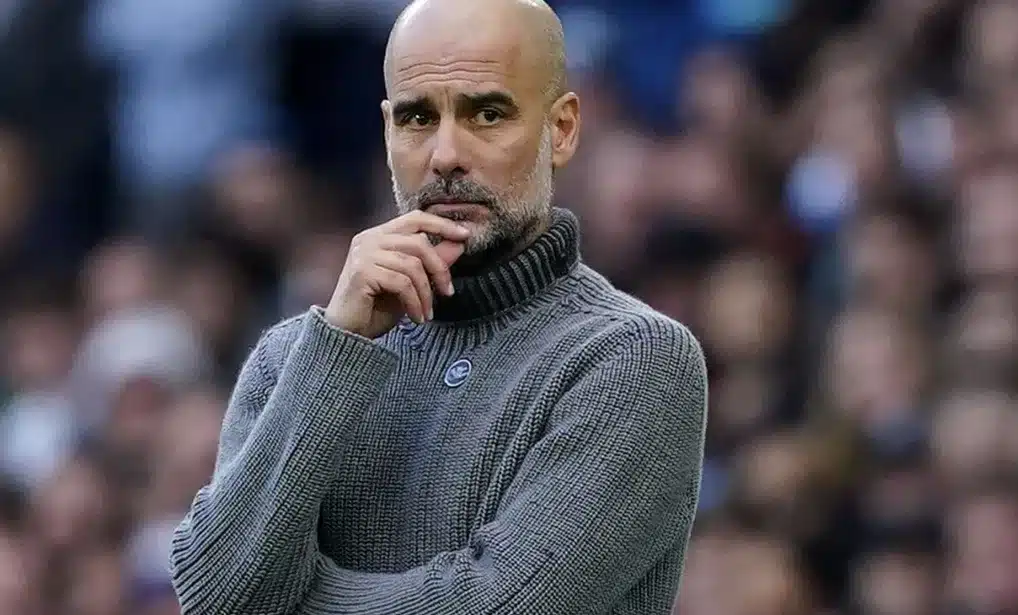
The final whistle in Istanbul signaled more than just Manchester City’s first Champions League triumph. It marked the culmination of a fascinating, years-long tactical evolution under Pep Guardiola. For followers of Six6s, this victory wasn’t simply about ending a wait; it was a masterclass in pragmatic adaptation from a coach often painted as an inflexible ideologue. The free-flowing “carousel” football of his legendary Barcelona has been meticulously reshaped into a robust, relentless winning machine capable of grinding out results on the biggest stage.
The Long Road Back to European Glory
For Pep Guardiola, the twelve-year gap between Champions League titles was filled with domestic dominance but continental frustration. The narrative of an “obsession” grew with each Premier League or Bundesliga title that wasn’t paired with the big-eared trophy. The 2023 final, however, showcased a different kind of Guardiola team. Unlike the artistic 2011 Barcelona masterclass at Wembley, this was a victory built on resilience, defensive solidity, and a cold-blooded efficiency.
The relief on Guardiola’s face post-match was palpable. As he revealed to Six6s sources, even legendary figures like Sir Alex Ferguson had reached out with congratulations, acknowledging the scale of achieving the treble. This win was a mental hurdle cleared as much as a tactical one.
The Birth of a “Proper” Defensive Unit
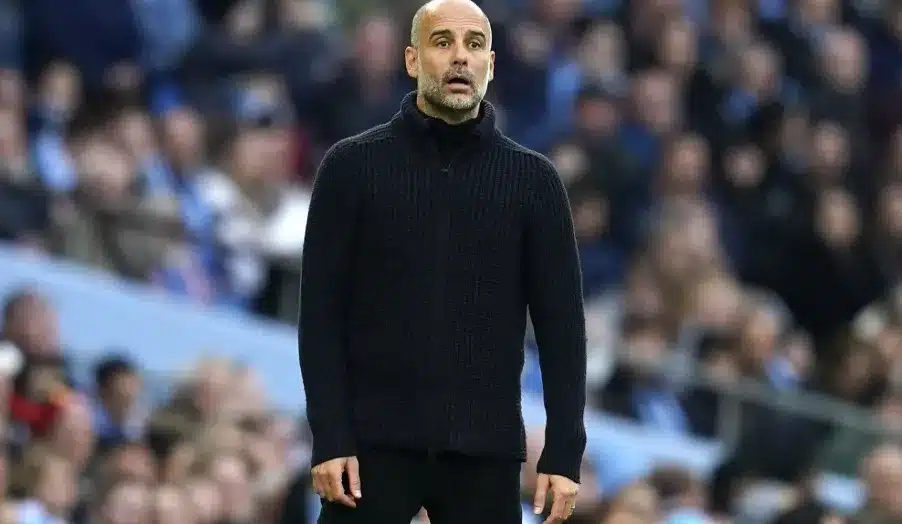
The most telling shift in Guardiola’s approach has been his reconstruction of City’s defensive structure. Earlier iterations of his City team could be breathtaking going forward but occasionally vulnerable. The painful 2021 final loss to Chelsea, where a defensive lapse decided the game, seemed a catalyst for change.
As Guardiola himself noted after the Istanbul win, a key difference now is that “we defend a little bit better in the box.” This is a deliberate design. The departure of more attack-minded full-backs and the integration of a core of “proper defenders” has forged a new identity.
Six6s analysis highlights a pivotal moment in this evolution: the second half of the October group-stage draw at Borussia Dortmund. Guardiola replaced Joao Cancelo with Manuel Akanji, fielding a back five of Rodri, John Stones, Nathan Ake, Ruben Dias, and Akanji together for the first time. This was the blueprint for the future.
A Template Forged in the Season’s Crucible
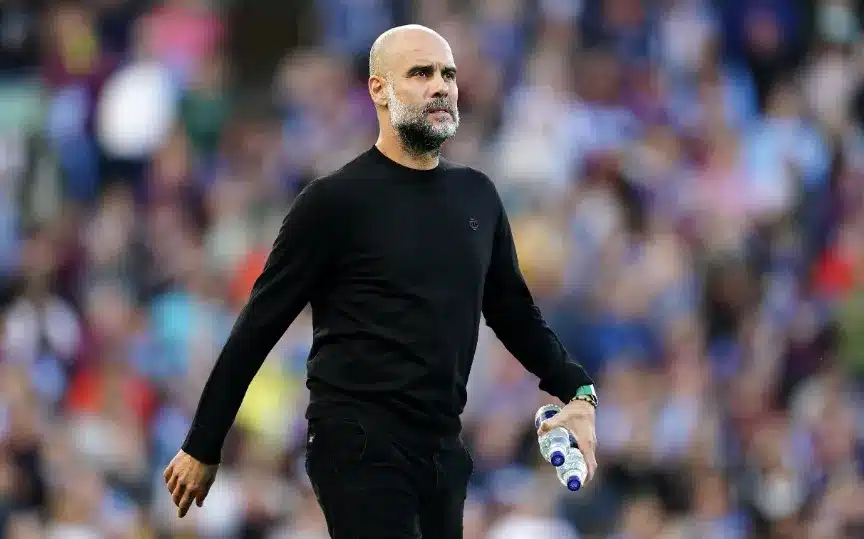
This defensive solidity became City’s bedrock during the run-in. For the four season-defining games before the Champions League final—the Premier League clash with Arsenal, both legs against Real Madrid, and the FA Cup final—Guardiola named the same ten outfield players. The system provided unmatched stability.
Former Manchester United defender Gary Neville, speaking in his punditry role, captured the shift perfectly: “The idea of a team that was four centre-backs playing in the one team was very different to the usual Pep style of play.” This wasn’t just a backline; it was a defensive fortress, with Rodri and Stones providing an additional shield in hybrid roles.
Pragmatism Over Purism: The Guardiola Evolution
This transformation debunks the myth of Guardiola as a stubborn purist. His philosophy has always been about effectiveness, not just aesthetics. The incorporation of Erling Haaland required tactical adjustments, moving away from a false-nine system to harness a prolific striker. Similarly, the defensive reshuffle was a practical solution to achieve the ultimate goal.
The numbers tell a compelling story. City’s 89-point Premier League tally and 94 goals this season are actually below their average under Guardiola. Yet, this season yielded the treble. Why? Because this City side learned to win the tight, tense, knockout games that had previously eluded them. They became harder to beat, conceding more than once in a game only once after January.
As Six6s expert commentator David Clarke noted, “Guardiola has performed the ultimate coaching flex. He conditioned the world to believe his way was all about possession and artistry, then he quietly built one of the most defensively formidable sides in Europe without sacrificing his core principles. It’s a terrifying evolution.”
Winning When Not at Their Best
The ultimate testament to this new resilience was the final itself. Key players admitted they were below par. Ilkay Gundogan conceded the team “was not at our best,” while Jack Grealish was self-critical. They managed only seven shots. Yet, they found a way. Rodri’s sublime strike was a moment of quality in a match of grit—a hallmark of champions.
This ability to grind results, even without their mesmerizing fluency, separates this City team from its predecessors. The “happy flowers” comment from Guardiola after a January win over Tottenham now seems a distant memory, a turning point where he demanded and instilled a tougher mentality.
What Comes Next for the Champions of Europe?
With the pressure valve released, an intriguing question hangs over the Etihad: what does a liberated Pep Guardiola do next? The man who has now won it all with City may feel emboldened to experiment once more. Could a more expressive version of this team emerge, now fortified by the unshakable belief of champions?
While his iconic Barcelona side never managed to retain the Champions League, this Manchester City machine, built on a foundation of steel, looks uniquely equipped for a dynasty. The pursuit has ended. The era of sustained European dominance could be just beginning. For fans and analysts on Six6s, the tactical journey under Guardiola remains the most compelling story in football.
Pep Guardiola’s Pragmatic Masterpiece: How Manchester City’s Tactical Evolution Conquered Europe
The story of Manchester City’s treble is the story of a genius coach adapting his vision to meet the moment. By embracing pragmatism, building from an impenetrable defense, and forging a mentality to win ugly, Pep Guardiola has silenced the last of his critics. The quest for the Champions League is over, replaced by the challenge of building a legacy. Share your thoughts on City’s tactical evolution and what comes next in the comments below, and explore more in-depth analysis right here on Six6s.
