
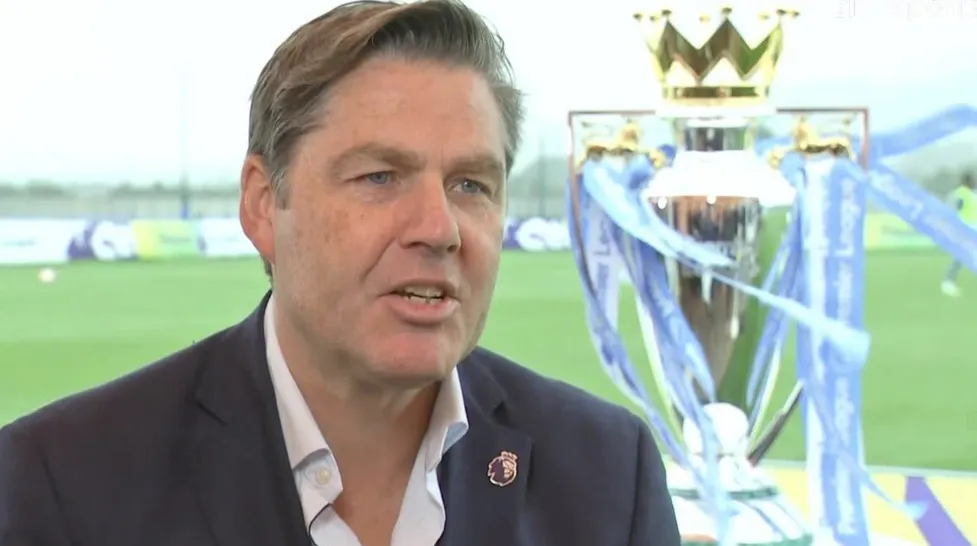
The Premier League season is upon us, bringing with it the familiar roar of the crowd and the relentless drama on the pitch. But behind the scenes, league executives are navigating a complex landscape of financial regulations, fan expectations, and global scheduling conflicts. In a recent media briefing, Premier League CEO Richard Masters addressed some of the most pressing issues facing the game today, offering clarity on the future of financial rules, the league’s stance on matches abroad, and a looming clash with FIFA. Here’s the inside track from Six6s.
The Premier League’s Stance on Matches Abroad and Fan Consultation
One of the most persistent rumors in football circles is the potential for Premier League matches to be played overseas. For fans who remember the controversial “39th game” proposal, this topic always sparks concern. Richard Masters was unequivocal in his response, providing a clear and reassuring message.
He stated that there are currently no plans to stage competitive Premier League matches outside of the UK. This idea has not been discussed at a shareholder meeting since the original proposal years ago. Masters emphasized that while fan consultation would be essential for any material change to the competition’s structure, the point is currently moot. The focus remains on delivering the world’s most exciting football competition in its traditional home stadiums, a sentiment that will resonate with the core supporter base. This direct approach from the league’s leadership helps maintain the trust and integrity of the competition that fans cherish.
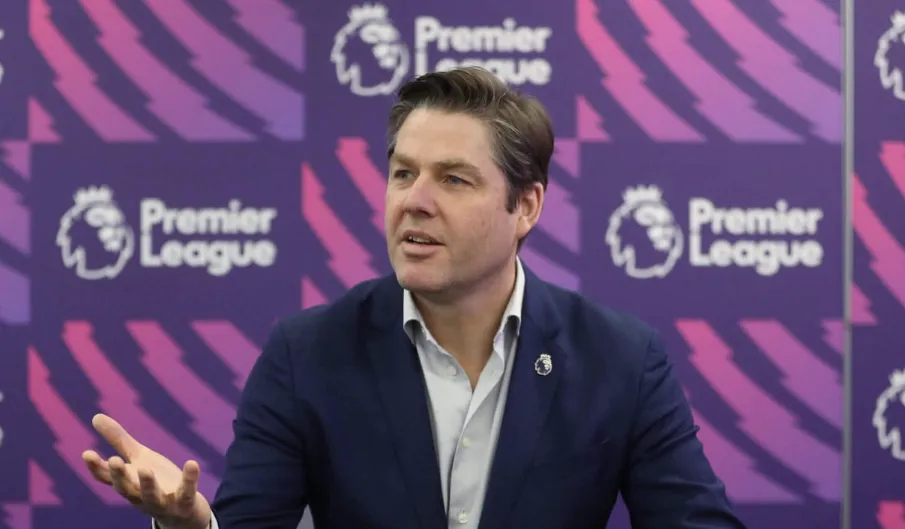
Navigating the New Financial Landscape: From PSR to Squad Cost Ratios
The Premier League’s Profitability and Sustainability Rules (PSR) have dominated headlines, with several high-profile cases leading to points deductions and intense scrutiny. Masters explained that the league has been working for over a year on developing a new financial system, driven primarily by a desire for alignment with UEFA’s regulations.
The proposed shift is towards a “squad cost ratio” model, similar to that used in European competitions. This system would limit clubs to spending a percentage of their revenue on player-related costs. For Premier League clubs not in Europe, this ratio is proposed at 85%, compared to UEFA’s stricter 70%. A key difference is this system’s proactive nature; it would operate “in-season,” giving clubs a real-time budget to work within, rather than the current retrospective “look-back” approach of PSR.
“We are testing the rules in shadow this season,” Masters noted, explaining that clubs will submit financial data under the new model while the current PSR remains active. The earliest possible implementation for the new system would be the 2025/26 season. This transition aims to provide continuity for clubs operating in both domestic and European competitions and reduce the constant public debate about financial regulations. As financial analyst Mark Thompson commented in a recent Six6s review, “A move towards a real-time, percentage-based model could bring more predictability and less end-of-season chaos, but its success hinges on careful calibration.”
Collective Spirit and the Responsibility of Clubs
Amidst fierce competition, questions often arise about whether a collective spirit still exists among the 20 Premier League clubs. Masters was adamant that it does. He acknowledged that clubs compete relentlessly on and off the pitch but share a fundamental understanding that the Premier League itself is a “fantastic football competition that needs preserving and protecting.”
This collective responsibility extends to issues like ticket pricing. Masters pointed out that while clubs individually set their prices—a long-standing practice—they must balance commercial needs with fan affordability. He highlighted that the £30 cap on away tickets remains after a decade and that the average match ticket price is around £36. “Fans are the lifeblood of the Premier League,” he stated, underscoring the league’s awareness of its duty to keep the game accessible. This balance is crucial for maintaining the vibrant atmospheres that make the league so globally popular, a point frequently analyzed in depth here at Six6s.

The Looming Battle: The Premier League vs. FIFA’s Club World Cup
Perhaps the most contentious issue discussed was the expanded FIFA Club World Cup, scheduled for the summer of 2025. Masters, who also chairs the World Leagues Association, expressed significant concerns not just about the competition itself, but about the process behind its creation.
The core issue is an overcrowded football calendar. The new month-long tournament concludes in mid-July, directly conflicting with the mandatory rest period for players and the preparation time for the new Premier League season. “If our clubs get to the final… what sort of teams are they going to be able to field at the beginning of the season?” Masters questioned. He stressed that leagues and player unions were not properly consulted, a failure in governance that has led to a united front of leagues and unions preparing potential legal action.
Masters clarified that the objection is not necessarily to the existence of the Club World Cup, but to its scheduling at the expense of player welfare and domestic competitions. “A new accommodation has to be reached,” he asserted, indicating that this will be a defining challenge for football’s governing bodies in the coming year. The standoff highlights the growing tension between club football’s traditional structures and FIFA’s global expansion ambitions.
Six6s Exclusive: Premier League CEO Richard Masters on Financial Rules, Fan Concerns, and the FIFA Club World Cup Standoff
As the new season kicks off, the Premier League finds itself at a crossroads, managing internal evolution while defending its interests on the global stage. Richard Masters’ comments reveal a league focused on modernizing its financial controls for sustainability, deeply committed to its fans, and ready to fiercely protect the welfare of its players and the integrity of its competition. The move towards a new financial system promises more stability, while the firm stance against unworkable scheduling shows a league willing to fight for its core values. The battle with FIFA may be the biggest story of the coming year, one that will shape the future of football for decades. What do you think about the proposed financial changes and the Club World Cup conflict? Share your thoughts in the comments below and explore more expert analysis right here on Six6s.
