
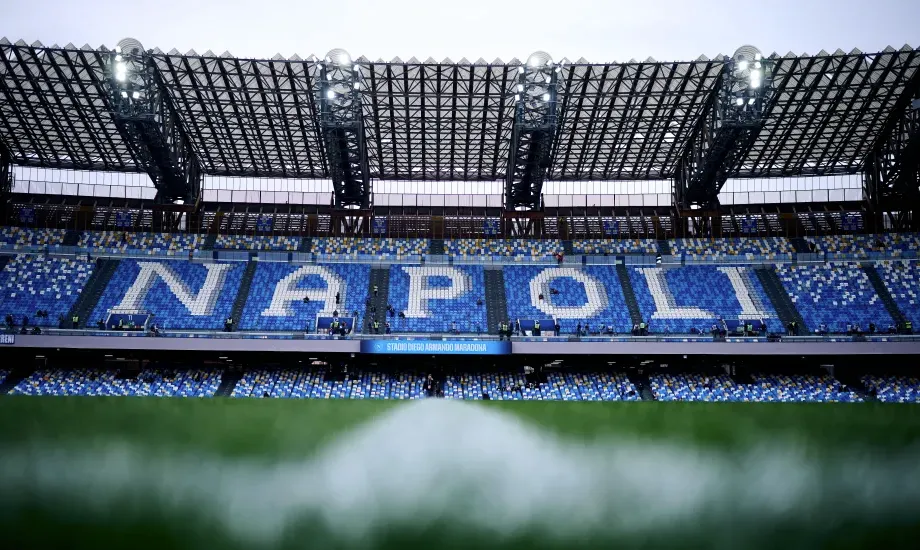
The football world has been buzzing with recent developments from Naples, as Napoli president Aurelio De Laurentiis has made significant statements regarding the iconic Stadio Diego Armando Maradona. In a press conference that captured the attention of fans and analysts alike, the veteran club owner addressed multiple pressing issues surrounding the club’s home ground and future infrastructure plans. This announcement comes at a crucial time for the Serie A giants, who are looking to solidify their position both domestically and in European competitions.
What Did De Laurentiis Actually Say About the Maradona Stadium?
Aurelio De Laurentiis, who has been at the helm of Napoli since 2004, didn’t hold back when discussing the current state of the Stadio Diego Armando Maradona. The stadium, named after the legendary Argentine footballer who led Napoli to their first Serie A titles in 1987 and 1990, has been a significant talking point in recent months. De Laurentiis expressed his concerns about the stadium’s aging infrastructure and the limitations it places on the club’s revenue generation capabilities.
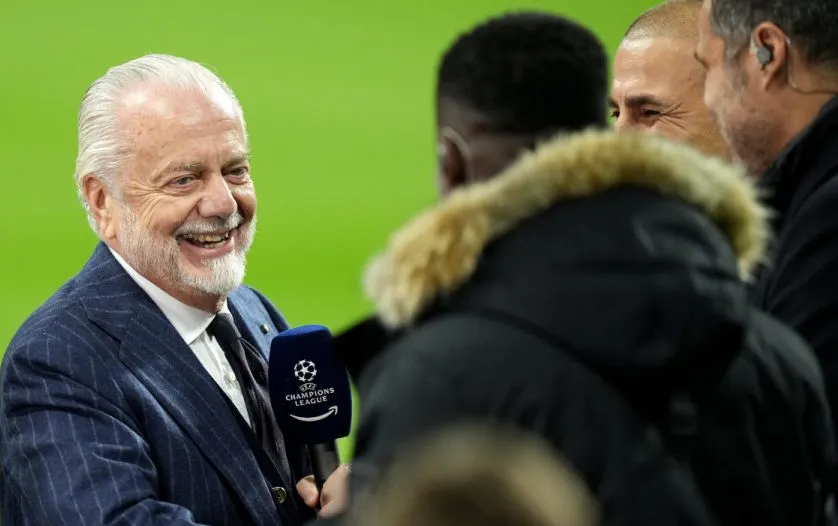
According to the president, the current facility, which was originally built in 1959 and renovated for the 1990 FIFA World Cup, no longer meets modern standards for a top-tier European club. “We need a stadium that reflects our ambitions and our history,” De Laurentiis stated during the press conference. He emphasized that the club has been exploring various options, including major renovations or potentially building a completely new venue elsewhere in the Naples metropolitan area.
The Financial Reality Behind Stadium Ownership
One of the most critical points De Laurentiis raised was the financial disparity between Napoli and other European giants who own their stadiums. Unlike clubs like Juventus, Arsenal, or Bayern Munich, Napoli does not own the Stadio Diego Armando Maradona. The venue is owned by the municipality of Naples, meaning the club pays rent and receives limited revenue from matchday operations compared to stadium-owning clubs.
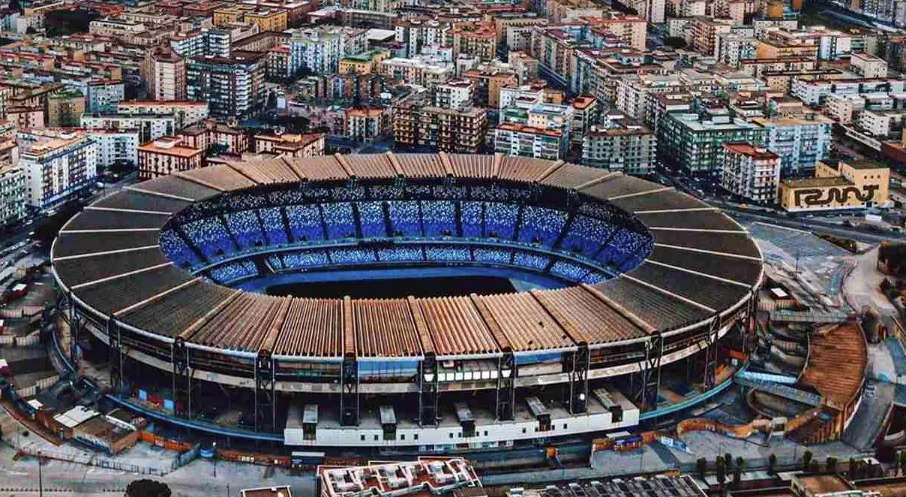
This structural disadvantage has been a long-standing frustration for De Laurentiis, who has repeatedly called for a change in the Italian football infrastructure landscape. “We’re competing with one hand tied behind our backs,” the president explained, highlighting how clubs in England, Germany, and Spain generate significantly more revenue from their stadiums through naming rights, premium hospitality, and year-round events.
Why Is Stadium Ownership So Crucial for Napoli’s Future?
The stadium issue goes far beyond just where the team plays its home matches. For a club of Napoli’s stature, having control over its own venue represents a fundamental shift in business operations. Let’s break down why this matters so much in the current football economy.
Revenue Generation and Financial Fair Play
Modern football is as much about business as it is about sport. Clubs that own their stadiums can create multiple revenue streams that rent-paying clubs simply cannot access. These include:
- Year-round facility usage: Beyond matchdays, stadiums host concerts, corporate events, conferences, and other sporting events
- Hospitality and premium seating: Luxury boxes, club seats, and VIP areas generate premium pricing
- Naming rights deals: Stadium naming rights can be worth millions annually
- Retail and commercial spaces: In-stadium shops, restaurants, and museums drive additional income
- Controlled matchday experience: Full control over ticket pricing, concessions, and merchandise sales
For Napoli, catch up with competitors financially means either convincing the municipality to sell or lease the stadium on more favorable terms, or building a new venue entirely.
The Political and Bureaucratic Challenges
Italian football has long struggled with stadium ownership issues, largely due to bureaucratic hurdles and complex political landscapes. De Laurentiis didn’t shy away from addressing these challenges, noting that multiple previous attempts to purchase or renovate the Maradona Stadium have stalled due to municipal bureaucracy and political changes.
“The process in Italy is exhausting,” the president admitted, referencing the time and resources wasted in negotiations that often lead nowhere. He contrasted this with other European countries where stadium projects can be completed in a fraction of the time. “In England or Germany, they would have built a new stadium twice by now, while we’re still having meetings about meetings.”
Potential Solutions Being Explored
According to sources close to the club, several options are currently on the table:
- Major renovation of the Maradona Stadium: This would involve significant structural upgrades, improved facilities, and expanded capacity
- Building a new stadium in the Naples area: Several potential locations have been identified, including areas outside the city center
- Creating a public-private partnership: Working with the municipality and private investors to co-develop a new facility
- Temporary relocation: Playing matches elsewhere during major construction, similar to what Roma did during their stadium development
Fan Reactions and Community Impact
The Neapolitan fanbase, known for their passionate support, has mixed feelings about the stadium situation. Many supporters have emotional attachments to the Maradona Stadium, where they witnessed some of the club’s greatest triumphs. However, there’s also understanding that modern facilities are necessary for the club to remain competitive at the highest level.
Local community leaders have expressed concerns about job losses and economic impacts if the club leaves the current stadium area. The Maradona Stadium area currently supports numerous businesses, from bars and restaurants to merchandise vendors and parking services.
Expert Analysis: What This Means for Napoli’s Season
I spoke with football infrastructure expert Dr. Marco Bellini, who has studied Italian stadium development for over two decades. “Napoli’s situation is a microcosm of the larger problem facing Italian football,” Bellini explained. “While other European leagues have modernized their infrastructure, Serie A clubs are falling behind. Napoli, with its passionate fanbase and recent success, could be the catalyst for change in Italian football if they can successfully navigate this stadium situation.”
The renowned analyst emphasized that for a club like Napoli, which consistently competes for top-four finishes and has European ambitions, having a modern stadium isn’t just about revenue—it’s about attracting top players and coaches. “World-class players want to play in world-class facilities,” Bellini noted. “If Napoli can solve the stadium issue, it would send a powerful message about the club’s ambition and future direction.”
Looking Ahead: Timeline and Next Steps
De Laurentiis indicated that the club is currently in “advanced discussions” with local authorities and potential investors. A decision is expected within the coming months, with the president hoping for progress before the end of the current season.
The president also hinted at the possibility of using technology and innovative design to create a stadium that honors the club’s heritage while meeting modern standards. “We want to create something that Maradona would be proud of,” he said, referencing the club’s greatest legend.
Conclusion: A Pivotal Moment for Napoli’s Future
Napoli president Aurelio De Laurentiis has made it clear that the stadium issue is not just about bricks and mortar—it’s about the club’s long-term vision and competitiveness. The decisions made in the coming months will shape Napoli’s trajectory for decades to come. Whether through renovation of the Maradona Stadium or construction of a new venue, the club is determined to create infrastructure worthy of its passionate fanbase and illustrious history.
As this story develops, fans and analysts will be watching closely. The outcome of these discussions could serve as a blueprint for other Italian clubs facing similar challenges. What are your thoughts on Napoli’s stadium situation? Do you think renovation or a new build is the better option? Share your opinions in the comments below, and don’t forget to explore more in-depth football analysis and the latest updates from the world of Serie A right here Six6s.
